Record your family's war memories on video
Theo Clark Media has recorded a number of precious war memoirs on video for family histories, including stories of the Kokoda Track, the Burma Railway, women in the services, and the war in Vietnam. If you would like a legacy film to record the "courage, endurance, mateship and sacrifice" of a member of your family who served, contact us today. Lest we forget.
Interview with Judith Follett WRANS
A gentleman from Mi5 told us that we were never to explain our work to a living soul, or we'd be shot... and as far as I know, that work has never been described - Judith Follett WRANS.
|
The Women's Royal Australian Naval Service (WRANS) was formed in 1941 as a result of manpower shortages in the Royal Australian Navy during World War Two. I recorded this family history interview with Judith Follett in 2001. Judith served with the WRANS from 1942 to 1945, working as Petty Officer Writer in naval intelligence. Here she reveals the untold story of the women of HMAS Harman in Canberra and recalls something of the drama of the Japanese attack on Sydney Harbour and the sorrow of learning that her brother Bob had died as a POW on the Burma Railway.
In an interesting post script to this story, Judith and her husband Aubrey raised three daughters, including former ACT Chief Minister Rosemary Follett, who was elected in 1989 as the first woman to lead an Australian State or Territory. The original handycam video quality is now a bit rough, but this film captures an important slice of Australian history, and shows how archival footage can be spliced together with photos and film to bring these old stories back to life. Read more: Invisible, Unrecognised, Inspirational: The wartime service of Judith Follett WRANS |
|
Bill Flowers and the Burma Railway
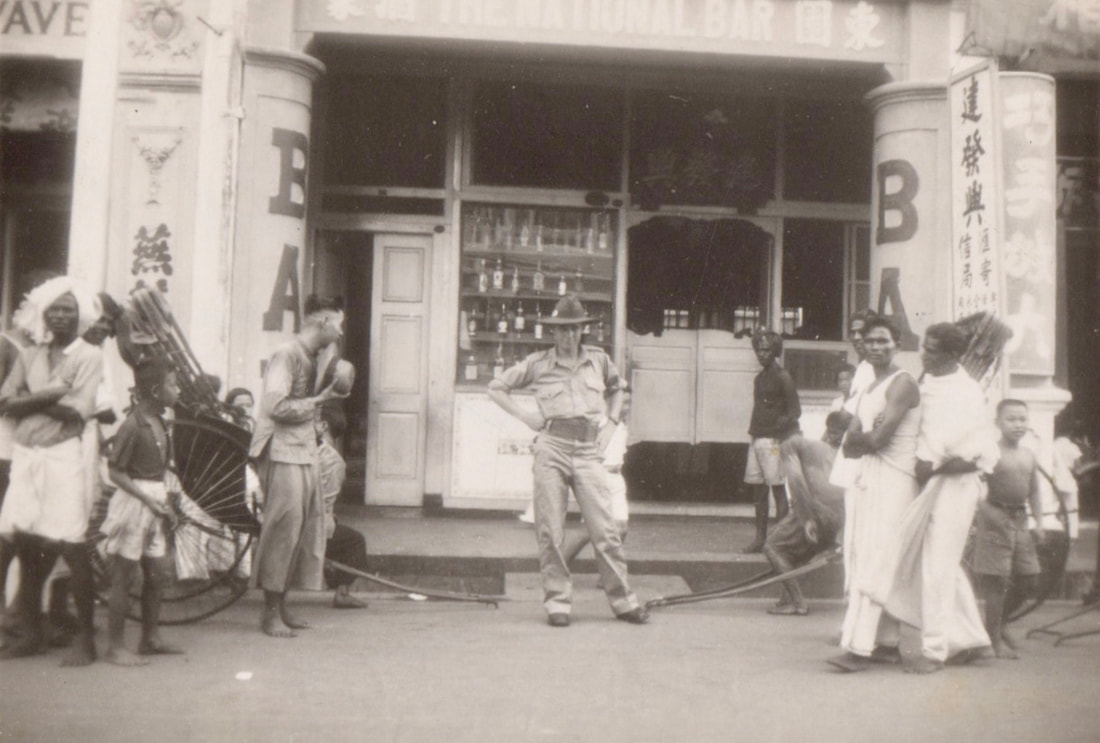

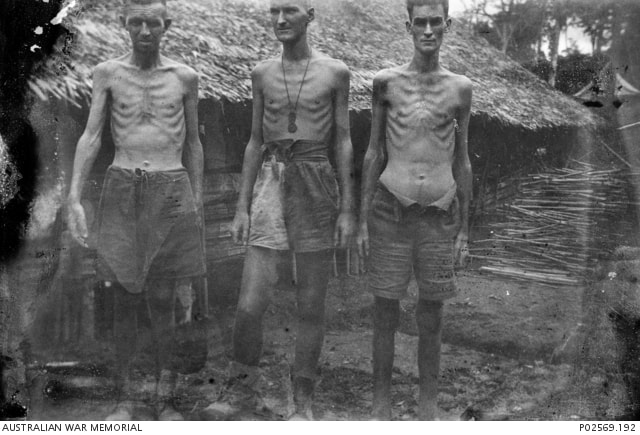
Bill Flowers was one of the 15,000 Australian soldiers captured by the Japanese after the fall of Singapore in February 1942. He spent the remainder of the war as a prisoner of the Japanese. Before the surrender, he'd been hailed as the "youngest guerrilla in Malaya" when as a part of Rose Force he and a select band encountered the Japanese behind enemy lines as the first Australians to engage the Japanese in battle in the Second World War. Along with his comrades from the 2/29thth Battalion, he was sent to the most notorious and deadly section of the Burma Railway as a labourer. He was among the lucky ones to survive. Bill's wife and children shared this story of courage and endurance with me for a family history video in 2021.
ww2 Remembered by Fred Westphal
Thank you for this video. Out of the many docos my Year 10 students have watched, this by far really impacted them the most. Real experiences and sentiments shared by a hero - Katherine Kovacic (YouTuber & Teacher)
Fred Westphal was a successful Sydney businessman and 6th Division veteran of World War Two. In this 2016 family history interview, Fred gives a gripping account of his experiences in the Middle East and New Guinea during the war, including the famous Kokoda Campaign that halted the Japanese advance towards Australia. Fred died before Christmas 2018, at the age of 99. This is his incredible story of "courage, endurance, mateship and sacrifice", caught just in time.